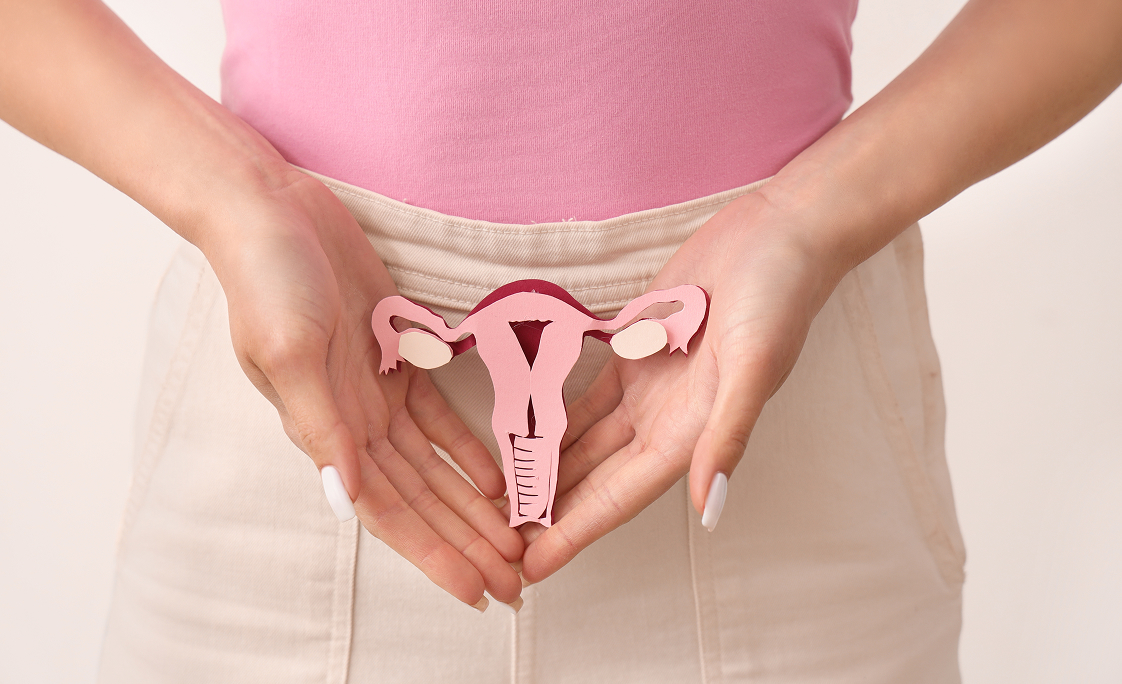
Have questions about cervical cancer screening? Find the answers in our article.
You think HPV doesn't concern you? That's exactly why we need to talk about it: nearly 3 out of 4 Canadians will contract HPV at some point in their lives. It can affect anyone who is sexually active, regardless of their gender or sexual orientation.
HPV often has no symptoms, but it can lead to serious health consequences. The more we talk about it, the better we can protect ourselves.*
*Affiliated pharmacist-owners are solely responsible for the practice of pharmacy. Certain conditions may apply.
Most HPV infections go unnoticed, which is one reason the virus is so widespread. Because HPV is so common, it's important to understand how to help prevent the infections it can cause.
Contrary to what many people think, HPV doesn't only affect women. It can be linked to certain cancers and diseases, including anal cancer, as well as some head and neck cancers, such as cancers of the throat and the back of the mouth. It can also cause genital warts in both men and women.
Most HPV infections cause no symptoms and go away on their own. However, some infections persist and can lead to more serious health problems, including certain diseases and cancers. This means it's possible to carry or transmit the virus without knowing it, even if you're in a long-term, committed relationship.
Vaccination is one of the most effective ways to help prevent HPV. It protects against several types of HPV responsible for most HPV-related cancers and genital warts.
HPV is spread through skin-to-skin contact during sexual activity. Using a condom can help reduce the risk of transmission, but it does not eliminate it. That's why vaccination remains an important part of prevention.
Wondering if the HPV vaccine is right for you? Have questions about HPV or how to reduce your risk? Your pharmacist is here to answer your questions, provide personalized advice, and guide you to the appropriate resources.
Some HPV infections go away on their own, while others can cause cell changes without any symptoms. Getting screened at the recommended intervals can help detect these changes early, allowing for timely follow-up and treatment when needed.
Talking about HPV can sometimes raise questions. Our pharmacy teams are here to support you every step of the way. Whether you have questions, want to find out if you're eligible for the vaccine, or need guidance on vaccination when it's recommended, you can count on their expertise and personalized care.
Because there's no such thing as a bad question, our practical guide provides clear answers and expert advice to help you better understand and navigate your sexual health.
The vaccine is recommended for several age groups and is offered free of charge to certain eligible individuals based on the criteria of Quebec's vaccination program. Your pharmacist can help you check your eligibility.
Yes. The vaccine can provide protection against certain types of HPV that you may not have been exposed to yet.
Yes. HPV can affect anyone who is sexually active, regardless of sex and gender.
No. HPV can infect areas that are not covered by a condom. While condoms can reduce the risk of transmission, they do not provide complete protection against HPV. Vaccination remains an important prevention tool.
HPV is mainly transmitted through intimate skin-to-skin contact during sexual activity, even without penetration. It can also be transmitted when no symptoms are present.
HPV can be difficult to detect because it often causes no symptoms. For those concerned, cervical cancer screening can detect HPV-related changes. However, there is currently no screening test available to detect HPV in men.
Have questions about cervical cancer screening? Find the answers in our article.

Most sexually active people will be exposed to HPV at some point in their lives. The more you know, the better you can protect yourself.